
Casino
How to Play Blackjack on 9Wickets: 5 Powerful Moves Beginners Miss
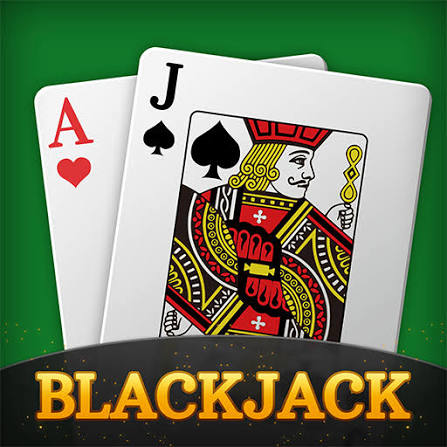
Learning how to play blackjack takes a single evening. What separates players over the long run is never the rules – it is the choices made once the cards are already on the table.
Blackjack is unusual among casino card games because your decisions genuinely change the result, which is why how to play blackjack matters far more than in games decided purely by the deal. In most games you bet and wait. Here you act.
This guide focuses on that acting part. Most advice on how to play blackjack stops at the rules, so the five moves below are where the real game is decided.
What you will take away:
- The five moves available, and what each one costs you
- Two questions that settle almost every hit-or-stand decision
- Which totals are worth doubling, and which pairs are worth splitting
- When surrender saves money, and when it wastes it
- How a round is settled once everyone has acted
Blackjack sits alongside the other casino tables on the main 9Wickets site. If you would rather start with a game where the drawing happens automatically, our introduction to playing baccarat is the gentler entry point.
How to Play Blackjack: Getting Started
Three things happen quickly. You place a stake while betting is open, you receive two cards face up, and the dealer takes two – showing one and hiding the other.
At that moment the round pauses and waits for you. Whatever you decide next is the only part of blackjack you actually control, and it is more than enough to matter.
Check the table’s posted rules before your first stake, because not every table offers every option. Registration steps and the current agent list are worth sorting out beforehand rather than mid-round.
How to Play Blackjack: The 5 Moves
Everything about how to play blackjack reduces to these five choices.
| Move | What happens | Costs extra? |
|---|---|---|
| Hit | You take one more card | No |
| Stand | You take nothing further | No |
| Double Down | Stake doubles, exactly one more card | Yes |
| Split | A pair becomes two separate hands | Yes |
| Surrender | Hand ends, half the stake returned | No |
Hit and Stand are always available to you. Double, Split and Surrender depend on the cards you hold and on the table you have joined.
None of the five is reversible, which is exactly why it pays to know your intentions before the cards land.
How to Play Blackjack: Hit or Stand
This is the choice you will face most often, and two questions answer it almost every time.
How likely am I to bust? Anything from 12 upward can go over 21 on a single card. Below 12, nothing in the shoe can hurt you, so there is never a reason to stand.
How strong is the dealer’s position? A dealer showing 2 through 6 is far more likely to bust themselves. A dealer showing 7 through Ace usually is not.
Now combine the two. Against a weak dealer card, standing on an awkward total lets the dealer take the risk instead of you. Against a strong dealer card, standing on that same awkward total simply hands them the hand without a fight.
Doubling Down and Splitting Pairs
Both moves put more money at risk, which is exactly why neither should ever be automatic. Knowing how to play blackjack well means knowing when the extra stake is actually justified.
Doubling down works best on totals of 9, 10 and 11, where a single ten-value card produces a very strong hand. You receive one card only, so treat it as a commitment rather than a plan.
Splitting separates a matching pair into two independent hands, each with its own stake. It suits pairs that are weak together and stronger apart. A pair of 8s totals 16, the least useful number in blackjack — split them, and each hand restarts from 8, which is a genuine upgrade.
A pair of picture cards is the opposite case. Two of them already total 20, so splitting swaps one excellent hand for two uncertain ones. That is a downgrade dressed up as ambition.
When Surrender Is Worth It
Surrender ends a hand early and returns half your stake, and many tables do not offer it. Where it exists, it is built for hands that are genuinely poor against a strong dealer card — the rare spots where losing half beats the alternative.
Learning how to play blackjack also includes learning when not to use it. Surrender is not an escape hatch for any hand that merely looks uncomfortable, and used often it costs far more than it saves.
How to Play Blackjack: Settling the Round
Once every player has finished acting, the dealer reveals the hidden card and draws under a fixed rule they cannot vary. Totals are compared: higher wins, ties push, and anything over 21 loses.
If you went bust earlier in the round, the dealer’s result is irrelevant – that stake was settled the moment you passed 21. The full rules and their many variations are documented in the Wikipedia entry on blackjack for anyone who wants the formal version.
Tips on How to Play Blackjack in Your First Session
- Learn the moves before raising the stakes. Deciding under a timer is harder than deciding in advance.
- Pick one rule and apply it consistently. Standing on hard 12 to 16 against a weak dealer card is an excellent first habit.
- Ignore what happened last hand. The shoe has no memory, and neither should your stake size.
- Set a session limit before you start, then treat it as fixed.
Platform basics and account terms are covered on the 9Wickets terms page and across our guide collection.
Conclusion
Knowing how to play blackjack means knowing when to hit, when to stand, when doubling is worth the extra stake, and which pairs deserve splitting. Master those four and everything else about how to play blackjack follows.
No approach removes the house edge, and no run of results changes the next hand. Play within a budget set in advance, and treat the game as entertainment.
18+ | Play responsibly.
FAQ
1. Is it hard to learn how to play blackjack?
No. The rules take a few minutes, and most guidance on how to play blackjack comes down to a single choice between hitting and standing.
2. What does double down mean in blackjack?
You double your original stake and receive exactly one more card, after which your hand ends automatically. It suits starting totals of 9, 10 or 11 against a weak dealer upcard.
3. Which pairs should I split in blackjack?
Aces and 8s are the standard splits. Picture cards and 5s are generally left alone, since both are already strong or better used as a doubling total.
4. Can I change my mind after choosing to stand?
No. Every blackjack decision is final for that hand, which is precisely why it helps to know your rules before the countdown starts.
5. What is surrender in blackjack?
An option on some tables that ends your hand immediately and returns half your stake. It is offered only before you take any additional cards.
Keep reading
Related guides

Fermín López Goal vs Valencia: Goal, Assist & Performance
Fermín López goal was one of the biggest talking points from Barcelona's clash with Valencia on September 6, 2026. The Barcelona midfielder first helped…
Read the guide
Big Six Wheel Bets on 9Wickets: All 6 Ranked by Cost
There are only six big six wheel bets on the layout, and learning them takes two minutes. Working out which ones deserve your money…
Read the guide
9Wickets Craps Rules Every Beginner Must Know
9Wickets Craps looks like the busiest table in the casino and plays like one of the simplest. Strip away the shouting and the crowded…
Read the guideReady to put this guide to work?
Open a 9Wickets account with bKash, Nagad or Rocket, or talk to support if you need a hand.